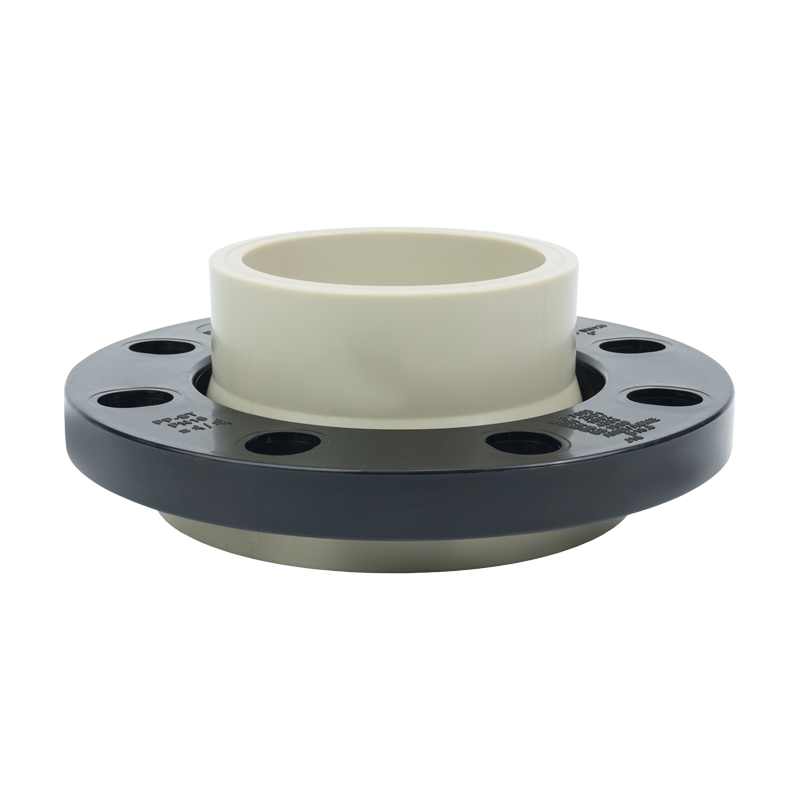
β-Pph Lắp ống ổ cắm nóng chảy trực tiếp răng bên trong 1.0mpa
1. Cài đặt nhanh chóng và đáng tin cậy, thuận tiện và tiết kiệm thời gian; cá...

Phụ kiện đường ống nhựa thường bao gồm các sản phẩm như chữ chữ T, khuỷu ống, khớp nối, mặt bích, nắp, khớp nối và khớp nối. Là thành phần thiết yếu để kết nối đường ống, việc lựa chọn các phụ kiện cụ thể tùy thuộc vào tình huống ứng dụng.
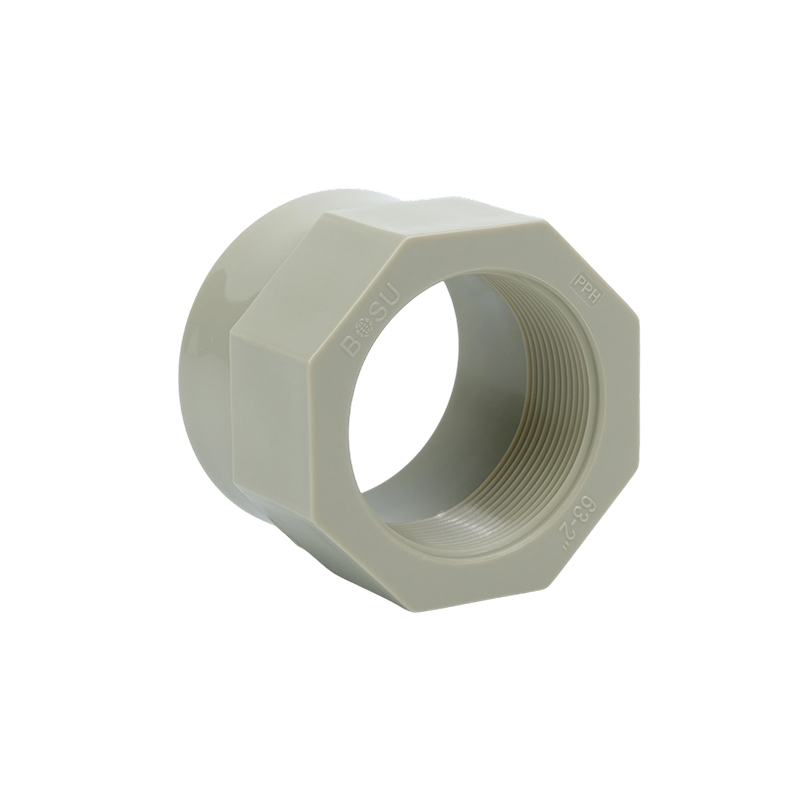
1. Cài đặt nhanh chóng và đáng tin cậy, thuận tiện và tiết kiệm thời gian; cá...
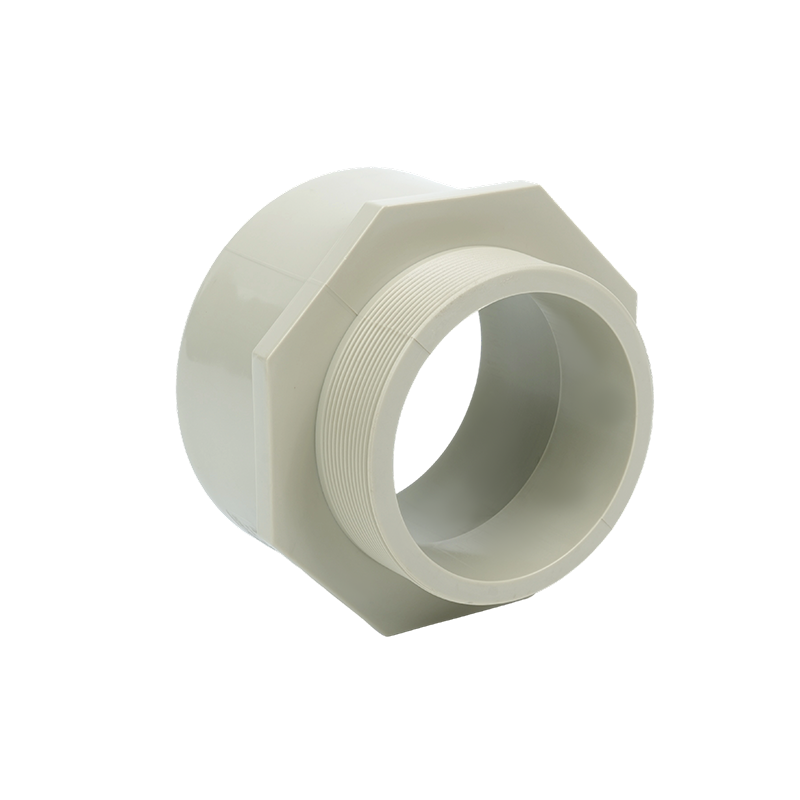
1. Vận hành dễ dàng, kết nối đáng tin cậy, chịu áp lực cao, bịt kín tốt, lắp ...
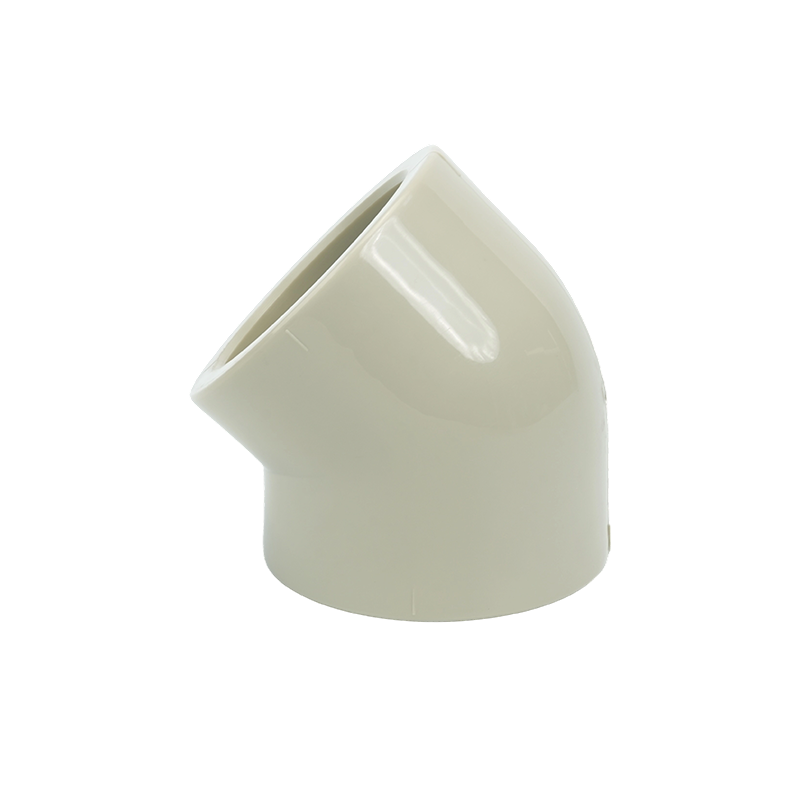
1. Nó được sử dụng để kết nối các đường ống ở một khúc cua và thay đổi hướng ...
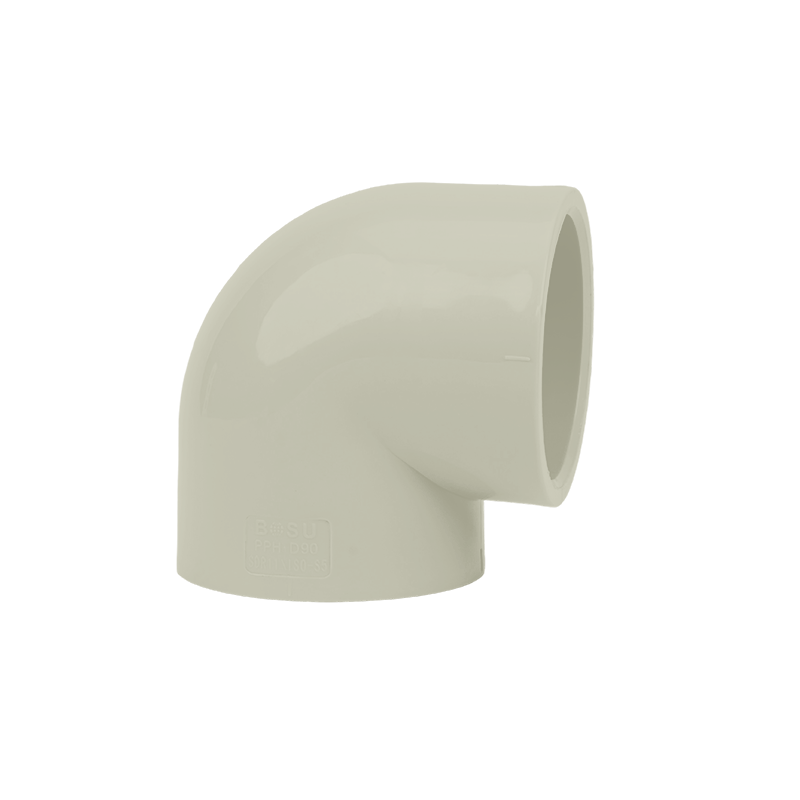
1. Để kết nối ở chỗ uốn cong của đường ống, để thay đổi hướng của đường ống, ...
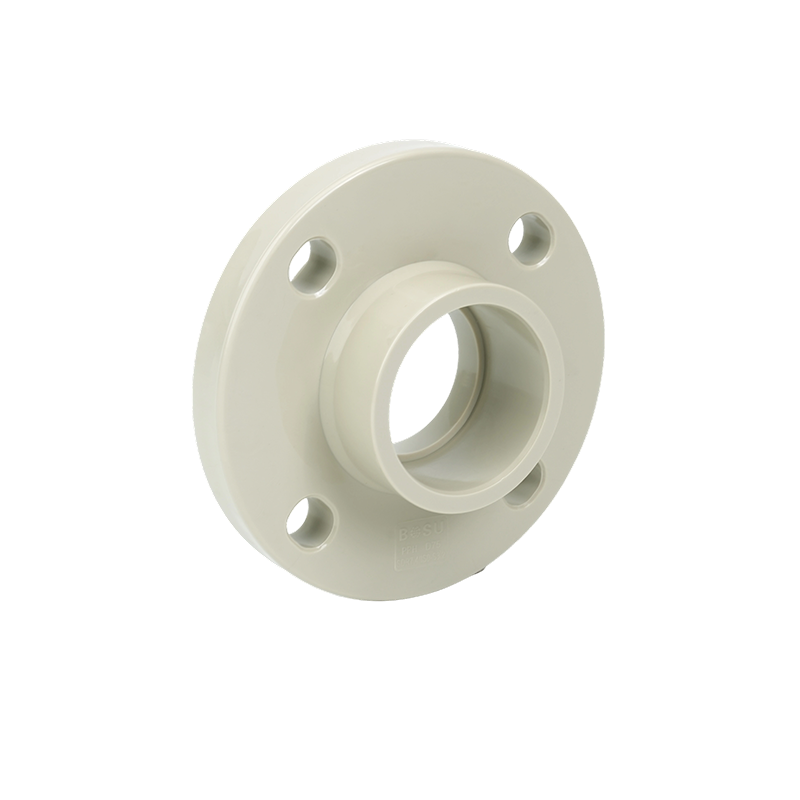
Tính năng sản phẩm: Dễ dàng lắp đặt, các phụ kiện này được sử dụng theo...
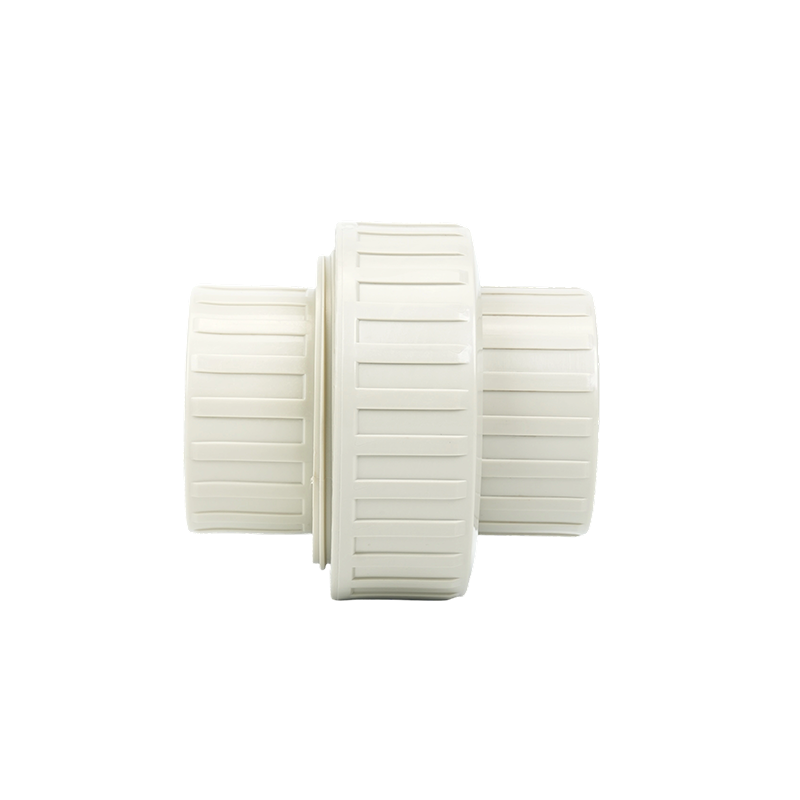
Mô tả: Được thiết kế để kết nối với đường ống có đầu ren. Vòng đệm EPDM/FPM c...
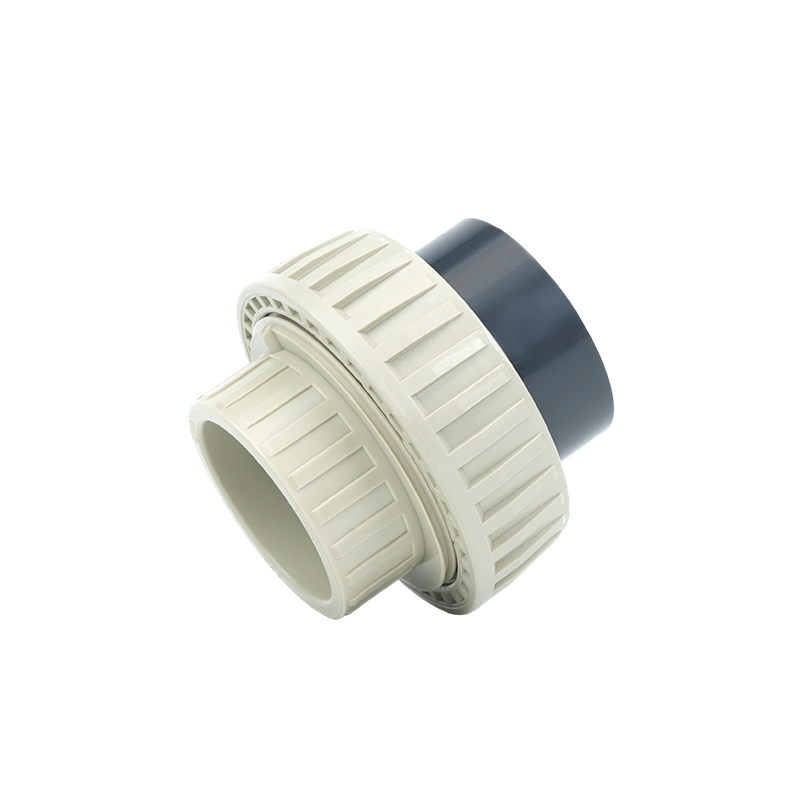
Mô tả: Khớp nối nhựa nhiệt dẻo này kết nối các đường ống thành một hệ thống đ...
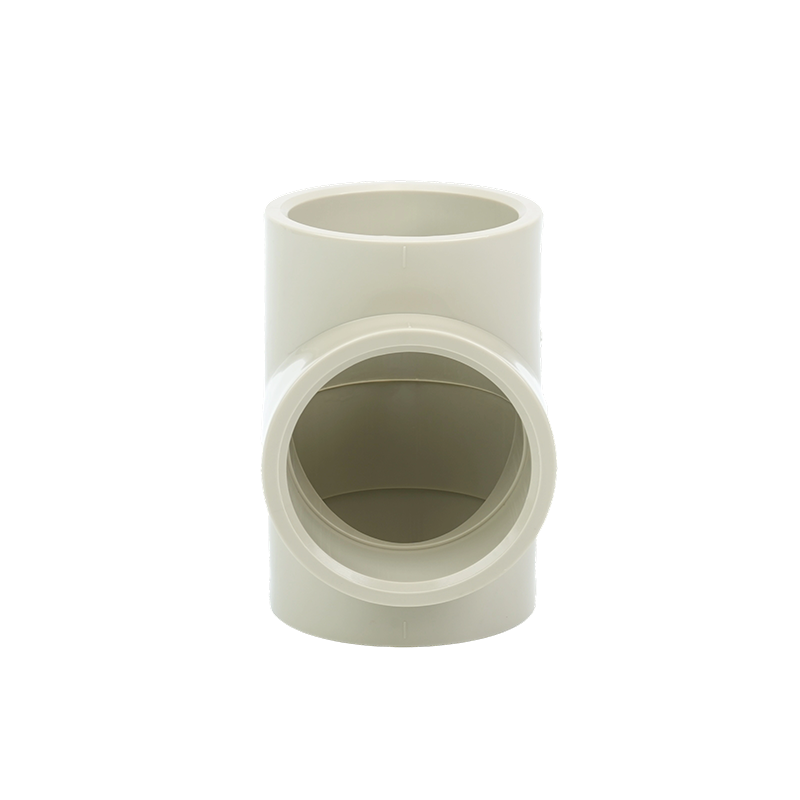
1. Nó thuộc về một trong các kết nối đường ống, được sử dụng ở đường ống nhán...
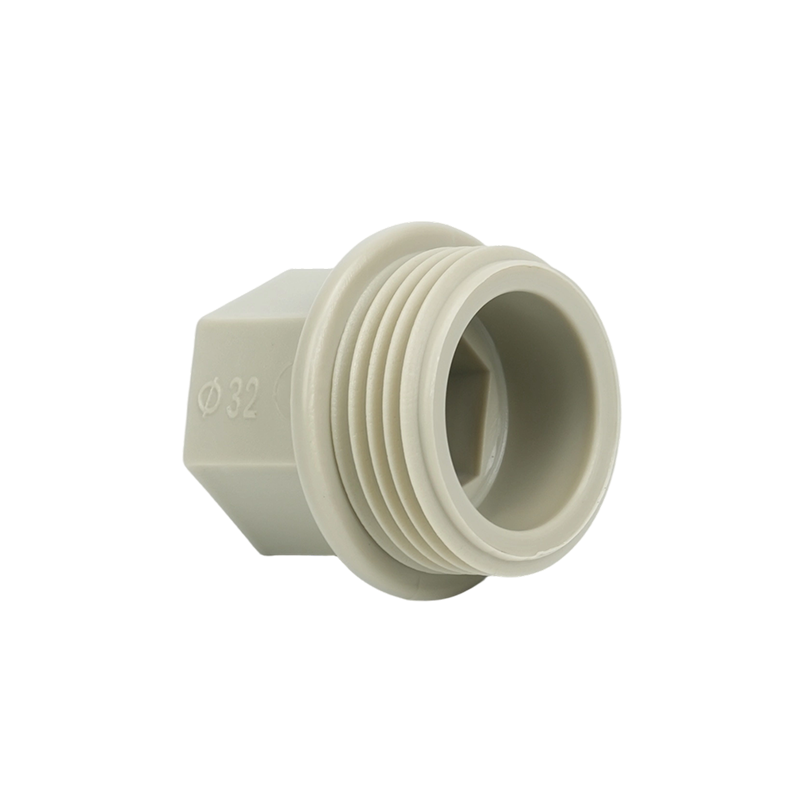
1. Bền, chống ăn mòn, trọng lượng nhẹ, hoạt động như một đường ống khép kín, ...
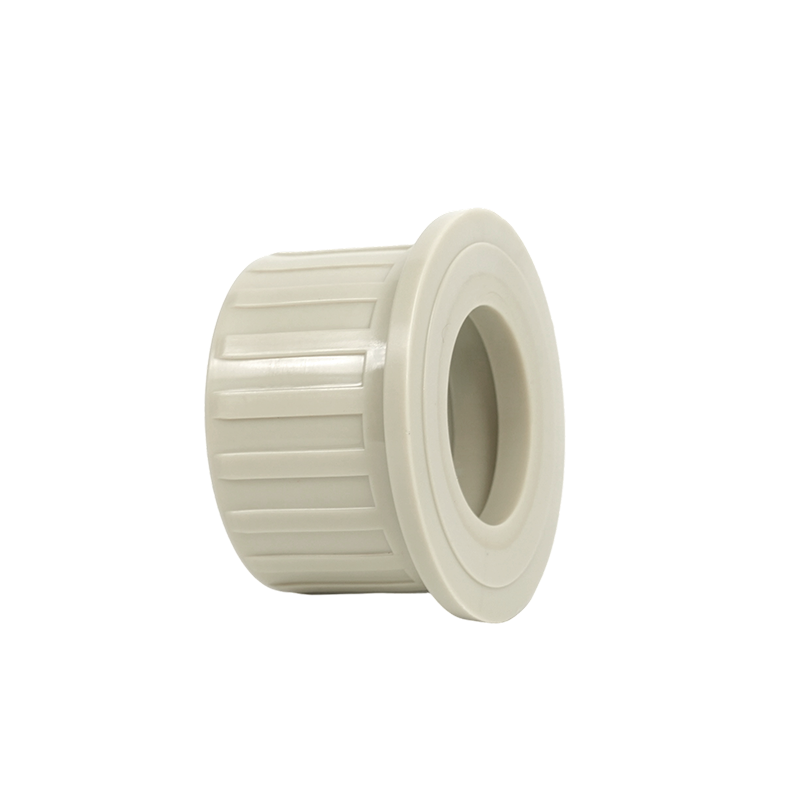
1. Bền, chống ăn mòn, trọng lượng nhẹ, hoạt động như một đường ống khép kín, ...
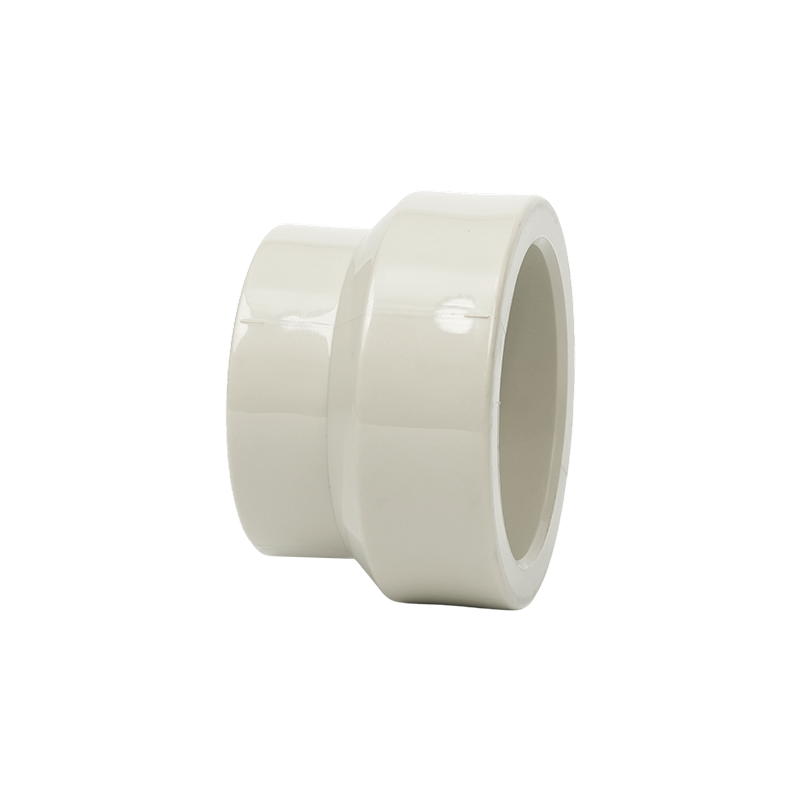
Khớp nối này được thiết kế để giảm nhiễu loạn dòng chảy trong quá trình ch...
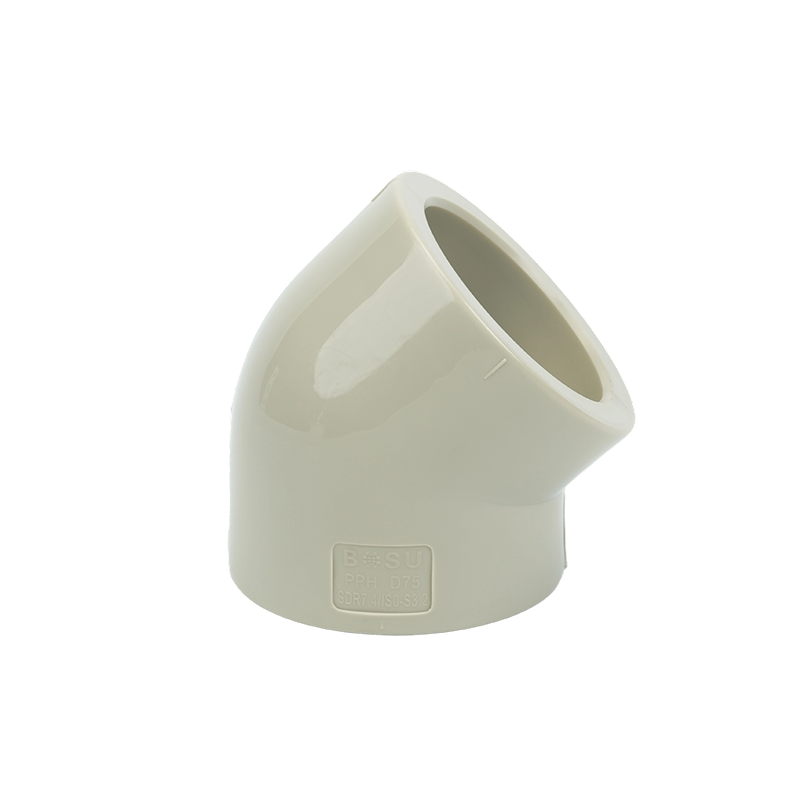
1. Khớp nối này được sử dụng để thay đổi hướng của đường ống ở góc 45 độ. ...
Một đội ngừng hoạt động tại một nhà máy hóa chất còn một công việc trước khi khởi động lại: thay thế một miếng đệm bị rò rỉ trên van mười hai mét bên trong đường dây PPH được hàn hoàn toàn. Việc cắt đường ống có nghĩa là một ống cuộn mới, một mối hàn mới, chờ làm mát và kiểm tra áp suất lần thứ hai, thêm bốn giờ ...
Xem thêmMua van bi nhựa hỏi "có bán không?" là cách các dự án cuối cùng phải trả gấp đôi. Điều thực sự quyết định liệu van bi nhựa có chạy êm trong 5 năm hay bị hỏng trong lần đầu tiên là vật liệu thân, chất đàn hồi bịt kín và cách thân van nối với đường ống - không phải đơn giá trên bảng báo giá. Câu trả lời n...
Xem thêmHai bộ nối, một cuộn gồm 2 ống trong ống PVDF và một thùng bộ chuyển đổi mặt bích DN 50. Mọi thứ đều đến đúng tiến độ và không có gì phù hợp: ống có đường kính bên ngoài là 60,3 mm, trong khi bộ chuyển đổi được gia công cho đường kính ngoài 50 mm. Không có nhãn nào sai. Các bộ phận đơn giản thuộc về hai hệ thống ...
Xem thêm
1. Bền, chống ăn mòn, trọng lượng nhẹ, hoạt động như một đường ống khép kín, ...
Xem thêm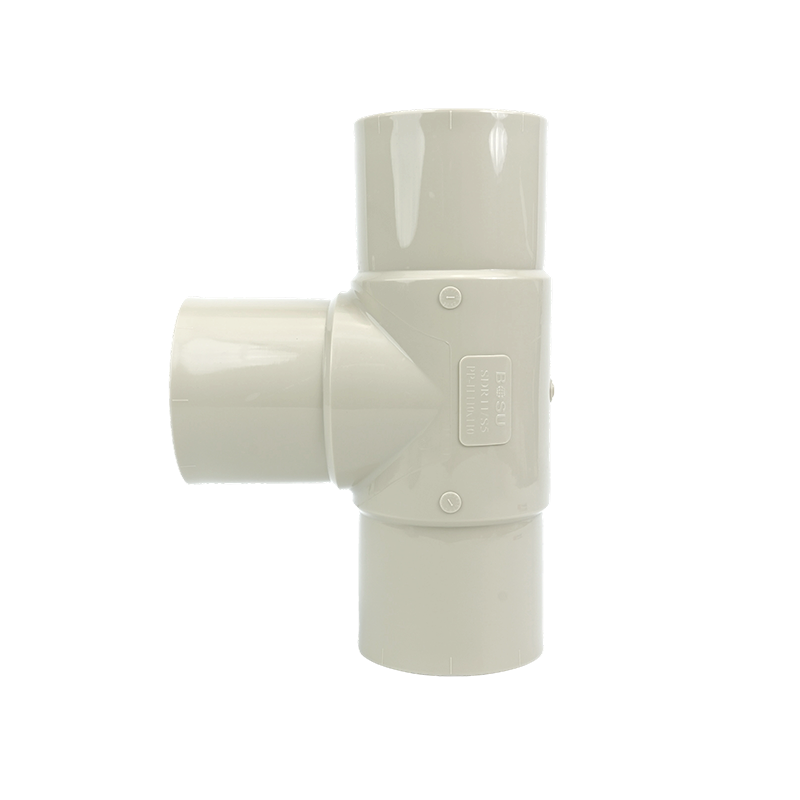
1. It features an elongated, streamlined profile with smooth internal and ext...
Xem thêm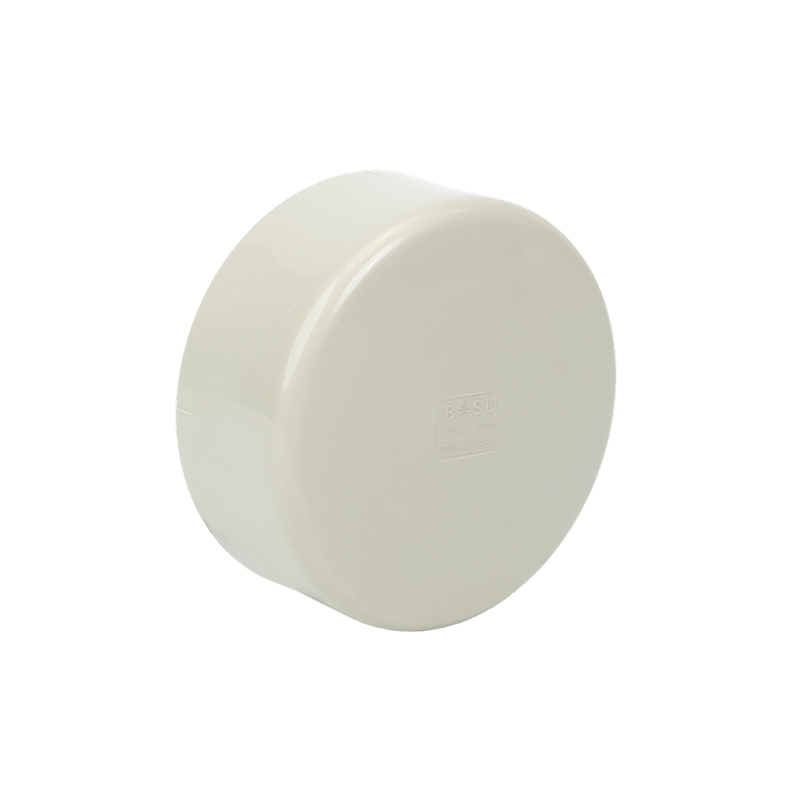
1. Bền, chống ăn mòn, nhẹ, dùng để bịt kín đường ống. Thích hợp cho các ứng d...
Xem thêm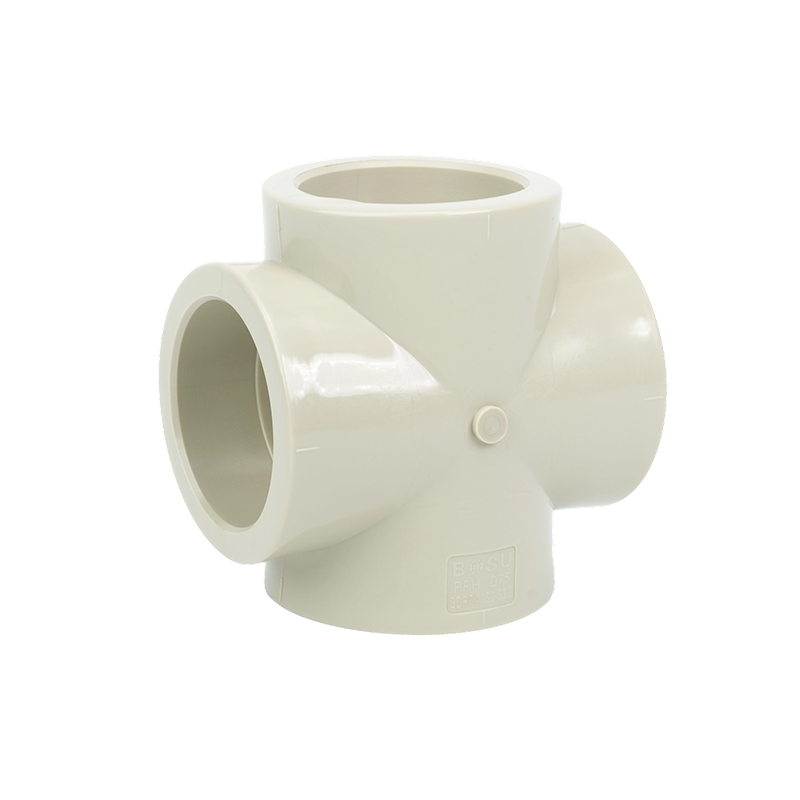
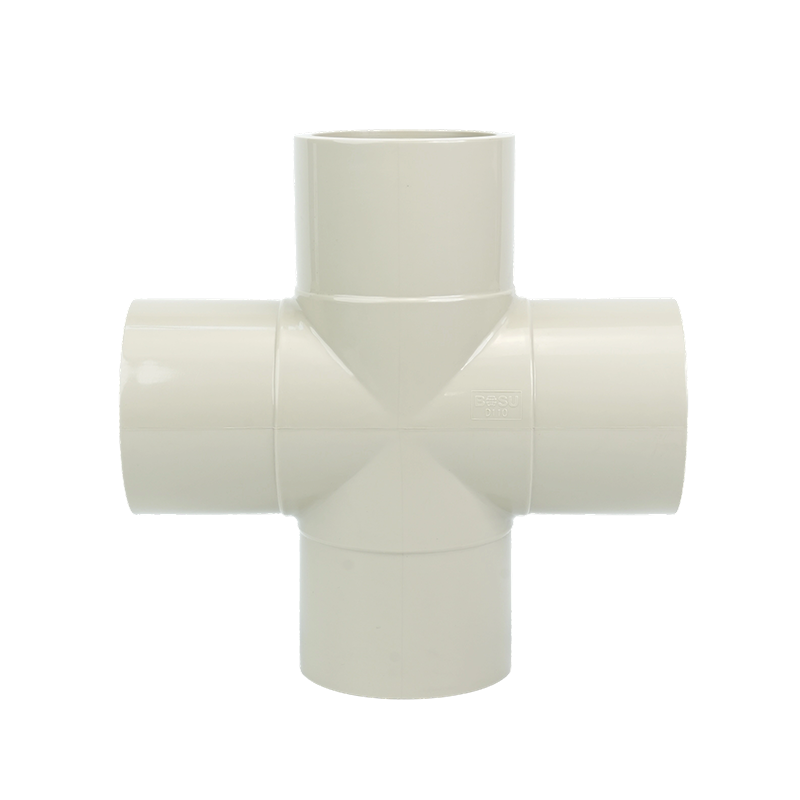
1. Dùng để nối bốn ống có cùng đường kính cắt nhau vuông góc. 2. Thông số ...
Xem thêmWhat is Plastic Pipe Fitting?
Plastic pipe fittings are standardized components used to connect, redirect, seal, or distribute fluids in pipelines.
1. Common Shapes: T-joints, elbows, tees, flanges, caps, crosses, connectors, etc., to meet the needs of different pipeline layouts.
2. Material Advantages: Made of high-polymer materials (such as PE, PP, PVC, PVDF, etc.), they are lightweight, corrosion-resistant, wear-resistant, and easy to process.
3. Functional Role: In pipeline systems, they provide stable connections, change flow direction, divert flow, or seal off conduits, ensuring the safety and efficiency of media transportation.
4. Industry Value: They are fundamental components in building water supply and drainage, gas transmission, industrial pipelines, and power systems; almost all pipeline projects rely on plastic pipe fittings.
What are the common application scenarios of plastic pipe fittings in building water supply and drainage, gas transmission, and power pipelines?
1. Building Water Supply and Drainage Systems
Hot and Cold Water Piping: Tees, elbows, flanges, etc., made of PE, PP, or PPR materials are used for the distribution and redirection of hot and cold water.
Sewage and Rainwater Systems: PVC or HDPE pipe fittings are used for sewage and rainwater collection, resistant to acids and alkalis, and high temperatures, preventing leaks.
Sanitary Fixture Connections: Quick-connect couplings and flange caps simplify the installation and maintenance of toilets, washbasins, and other equipment.
2. Gas Transmission Systems
Urban Gas Piping Networks: Pressure-resistant and flame-retardant PE-RT or PA-12 pipe fittings (such as elbows and tees) are used to ensure the safe transmission of high-pressure gas.
Industrial Gas: In production lines requiring high cleanliness, such as those in chemical, semiconductor, and photovoltaic industries, metal-lined plastic pipe fittings are used, combining corrosion resistance and pressure resistance.
Leak Detection: Special flanges and gaskets are used for rapid leak detection and maintenance.
3. Electrical Conduits (Cable Trays, Pipe Laying)
Cable Protection Pipes: Flame-retardant PVC or PE fittings are used to prevent cables from getting damp and mechanically damaged.
Cable Tray Connections: Plastic elbows and tees are used for cable tray turning and branching, ensuring neat and safe cable laying.
Fire Resistance and Flame Retardancy: Flame-retardant plastic fittings conforming to IEC and GB standards maintain structural integrity in high-temperature environments.
How to determine the pressure resistance, temperature resistance, and chemical corrosion resistance of Plastic Pipe Fitting Series?
1. Check the Material Data Sheet
Pressure Resistance: The material's yield strength, ultimate pressure (MPa), and operating temperature range are key factors.
Temperature Resistance: Determine the material's maximum operating temperature (Tmax) and minimum operating temperature (Tmin). For example, PE-RT can be used from -40°C to +95°C, and PVDF can reach +150°C.
Chemical Resistance: The material's resistance to acids, alkalis, salts, and solvents is typically presented through test results according to standards such as ASTM D543 and ISO 175.
2. Actual Testing and Certification
Pressure Testing: Hydrostatic or pneumatic pressure tests are conducted according to standards such as ISO 4427 and GB/T 10002 to ensure that the pipe fittings do not leak at 1.5–2 times the rated pressure.
Thermal Aging Test: Aging is performed at high temperatures for 1000 hours or longer, and changes in dimensions and strength are observed.
Chemical Corrosion Test: The pipe fittings are immersed in the target medium (such as sulfuric acid, hydrofluoric acid, hydrochloric acid, etc.) to assess mass loss and surface changes.
3. Reference Industry Certifications and Patented Technologies
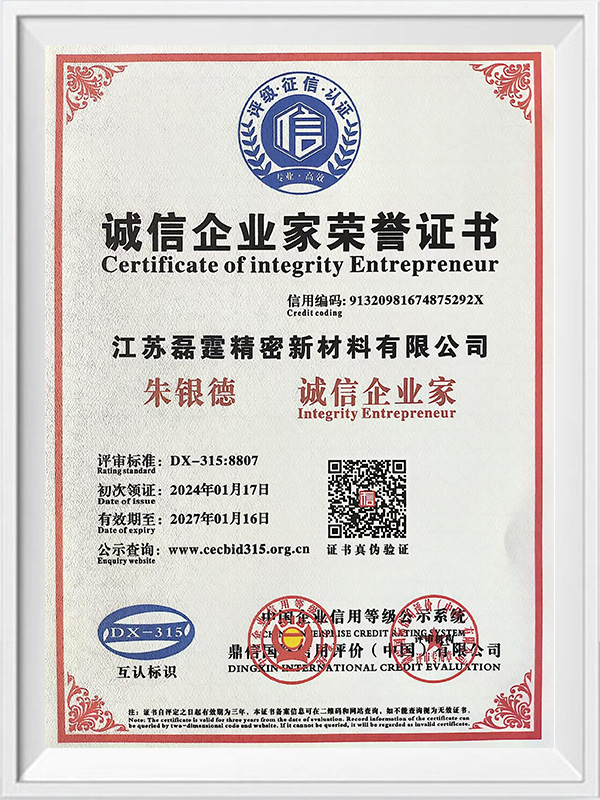
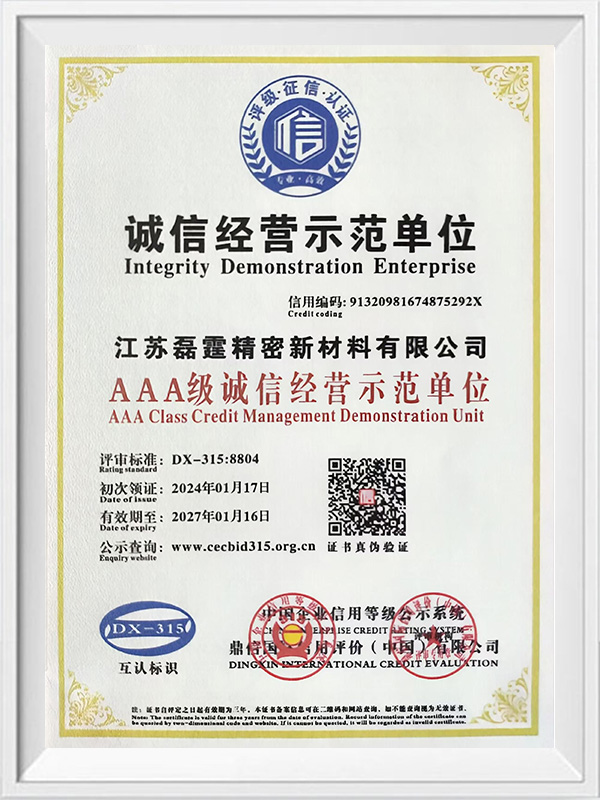
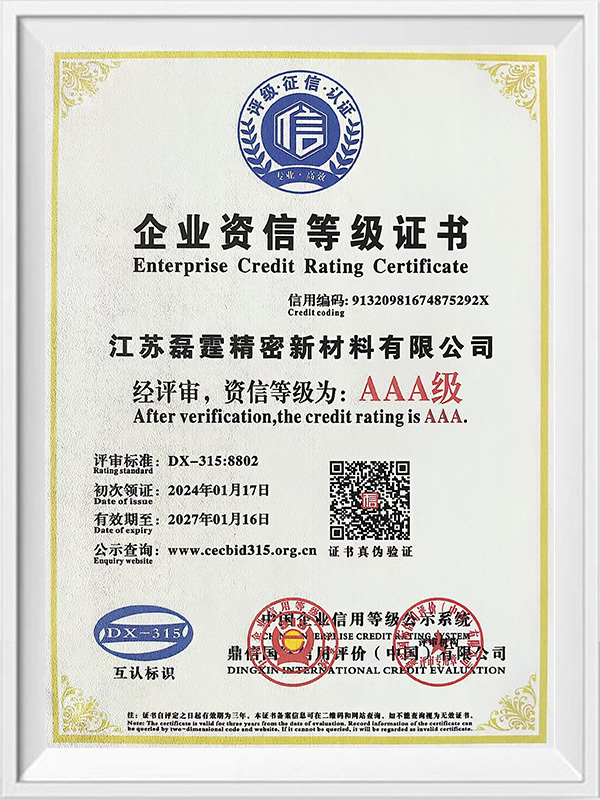
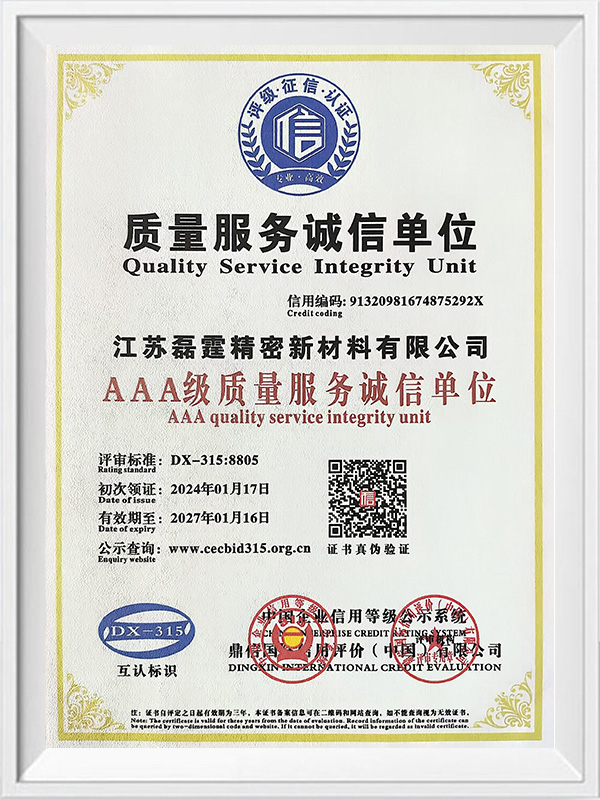
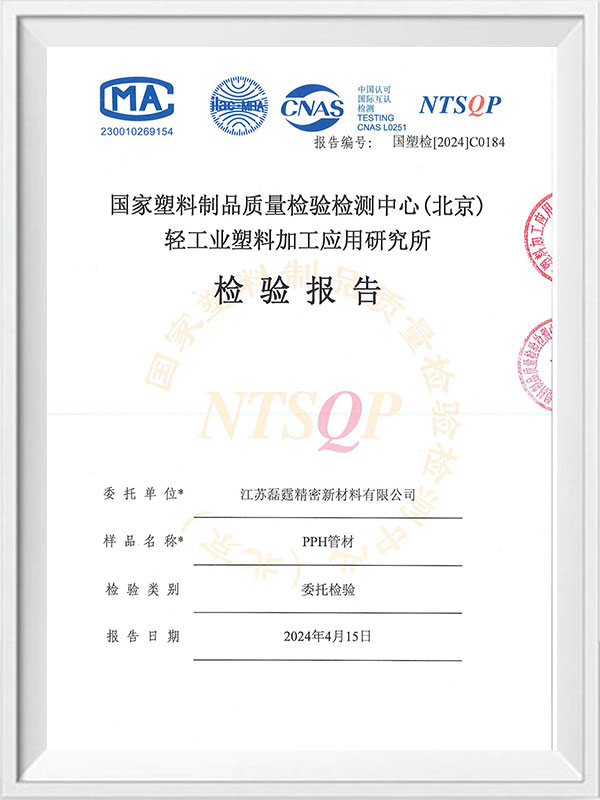
Certification Marks: CE, UL, ISO9001, ISO14001, and other certifications indirectly indicate that the product has passed rigorous quality and environmental control.
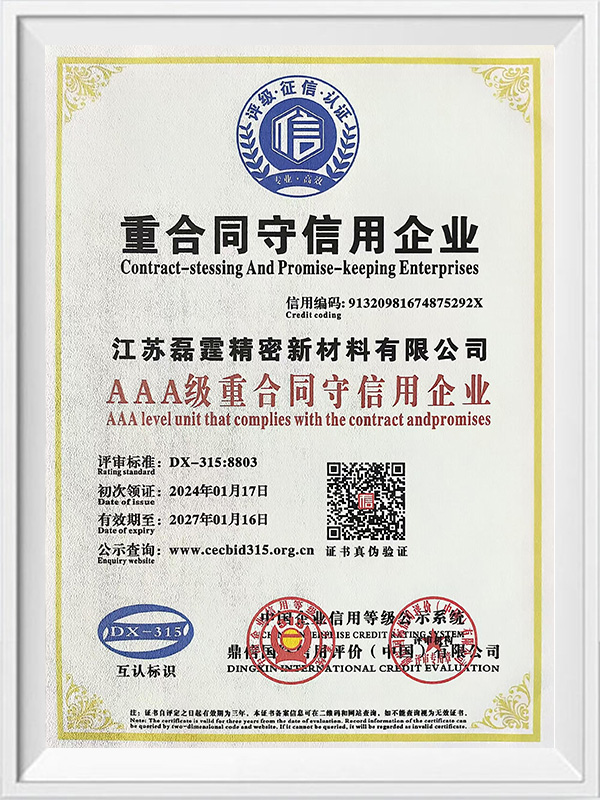
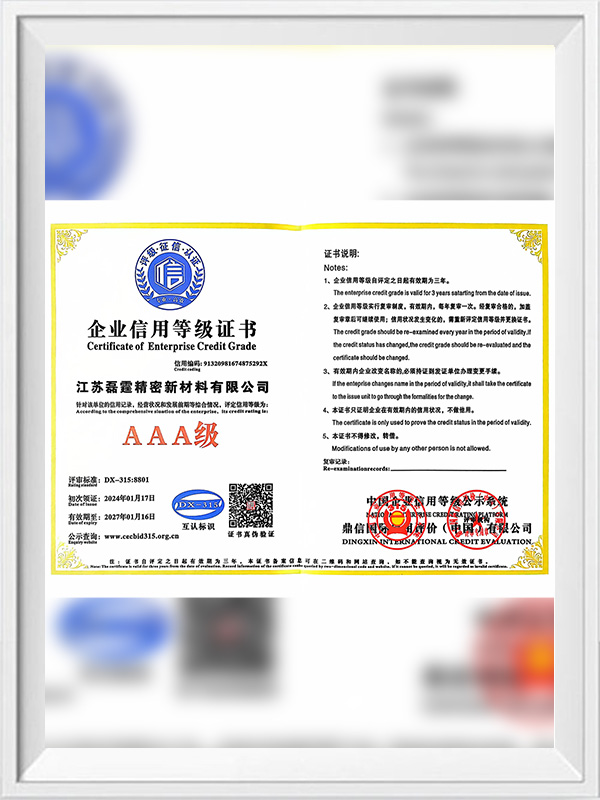
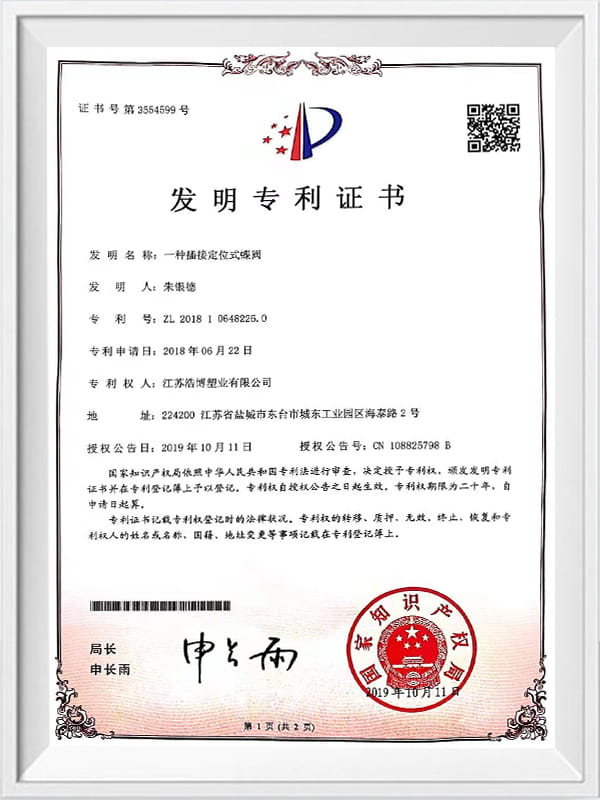
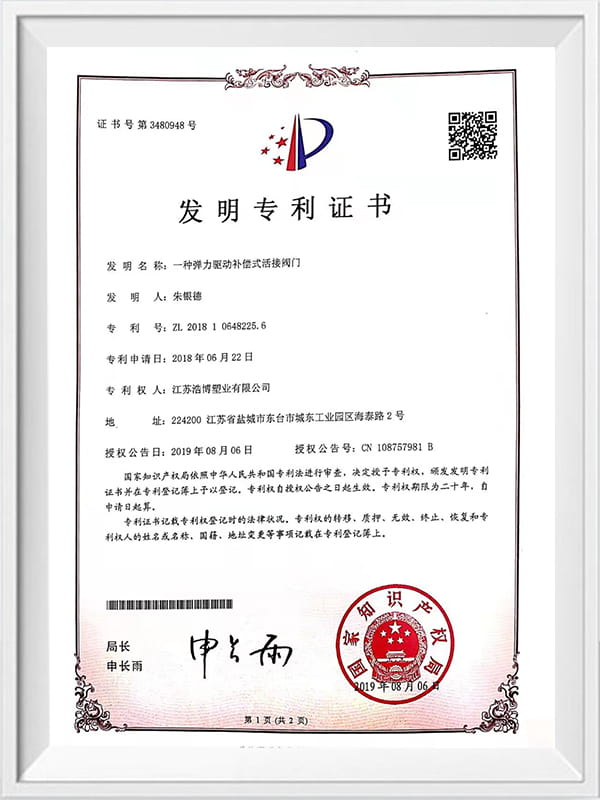
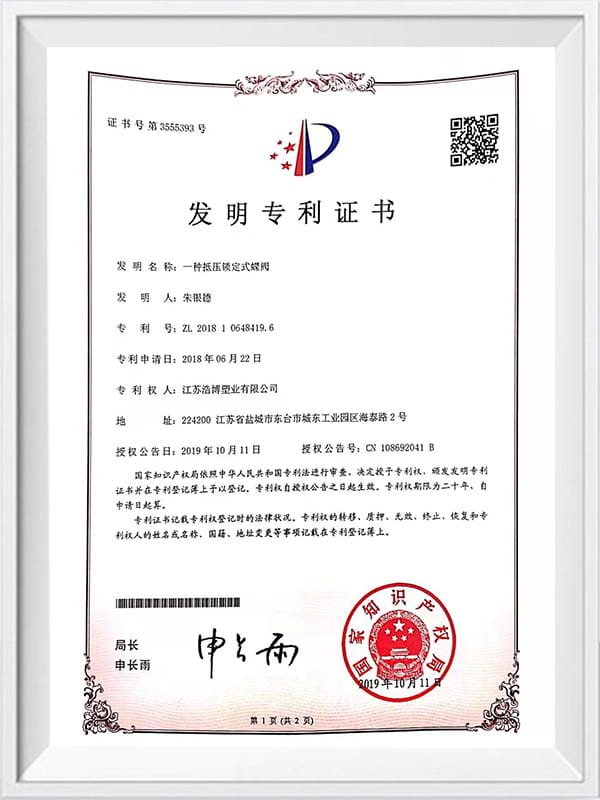
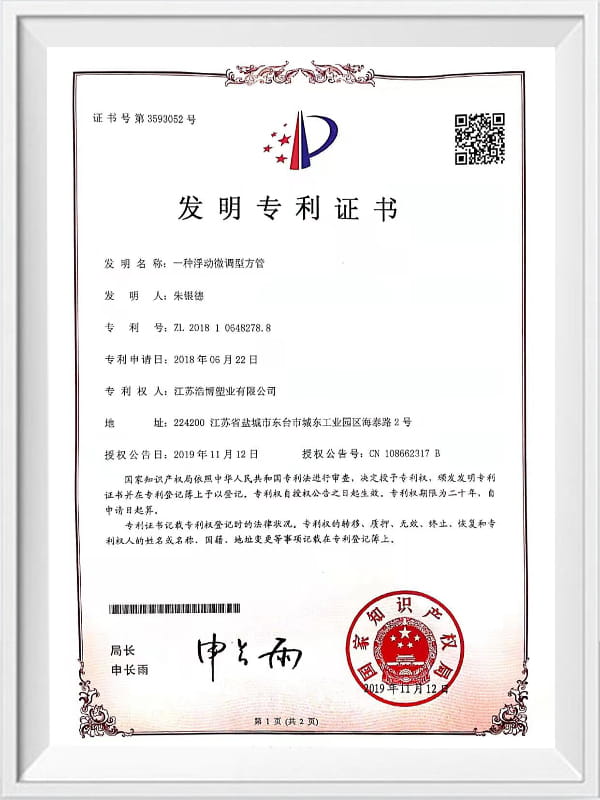
Patent Support: Jiangsu Leiting Precision New Materials Co., Ltd. holds 81 patents (including 36 invention patents), many of which involve high-pressure, high-temperature resistant composite materials and chemically resistant structural designs, serving as strong evidence of technological reliability.
Thông tin công ty
Địa chỉ: Số 55 đường Hải Xuyên, Khu công nghệ cao, thành phố Đông Đài, tỉnh Giang Tô, Trung Quốc
Di động: +86 137 7009 5258
Điện thoại: +86-515-85479999
Email: [email protected]
Chúng tôi muốn nghe ý kiến của bạn!